
The Ultimate Tarp Thickness Guide: Choosing the Right Tarp for Every Application
Choosing the right tarp thickness gives you protection you can rely on for any job. Thickness plays a major role in strength, durability, weather resistance, and how well a tarp stands up to everyday use. This guide explains how tarp thickness works, the measurements that matter, common thickness categories, and how material, reinforcement, certification, and application all come together to help you pick the right tarp for your project.
Understanding Tarp Thickness and Key Measurements
Understanding how tarp thickness is measured helps you compare products and choose the level of protection you need. Thickness directly affects strength, weight, and long-term performance.
What Is Tarp Thickness?
Tarp thickness is measured in mils. One mil equals 0.001 inches or 0.0254 millimeters. The higher the mil number, the thicker and more durable the tarp. Thicker tarps resist punctures, tearing, and harsh weather conditions. This makes mil thickness one of the most important factors when selecting a tarp for long-term use.
Key Terms: Mil, Weave Count, Denier, and Density
A mil measures thickness, but other terms describe overall strength. Weave count refers to the number of threads per square inch in the tarp’s core fabric. Denier measures the thickness of the individual fibers that make up the weave. Higher denier or a tighter weave often means stronger fabric. Density refers to how compact and robust the fabric construction is. These measurements work together to determine a tarp's durability over time.
Why Tarp Thickness Matters
Thickness affects weatherproofing, tear resistance, and how well a tarp holds up under stress. Thicker tarps handle higher tension, heavy loads, stronger winds, and frequent movement. Thin tarps are fine for quick, temporary tasks. Heavy and super-heavy tarps are better suited for construction, long-term storage, and industrial use. Matching the right thickness to your application prevents damage and increases safety.
Tarp Thickness Categories Explained
Tarp thickness categories help you quickly compare different options and select the right level of protection.
Light Duty Tarps (6 mil)
Light-duty tarps are the economy option designed for temporary coverage and quick jobs. They are easy to fold, carry, and position, making them useful for covering furniture during painting, shielding items from light rain, protecting landscaping materials, or creating short-term shade. These tarps provide dependable everyday protection but are not intended for high winds, heavy loads, or long-term outdoor exposure.
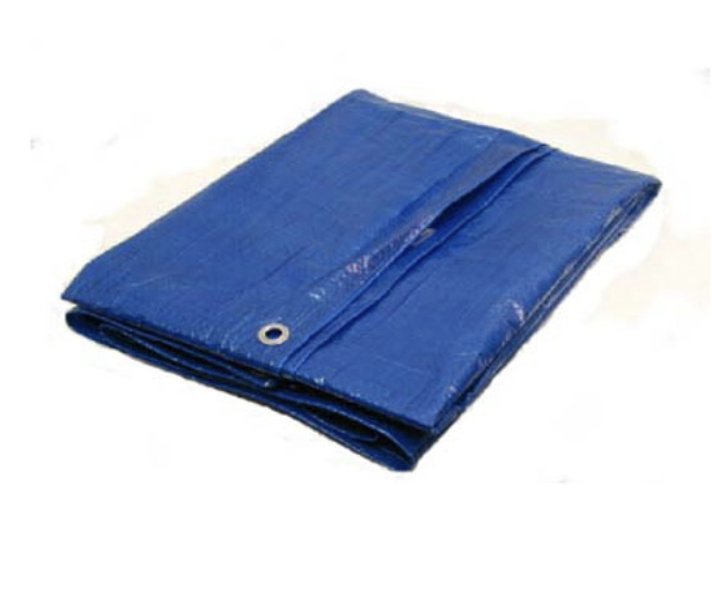
Medium Duty Tarps (8 mil)
Medium-duty tarps offer a step up in durability while still remaining lightweight and manageable. They work well for general outdoor use, such as covering equipment, securing supplies at a jobsite, protecting seasonal items, or providing temporary shelter. Medium-duty options handle moderate weather more effectively than light-duty tarps and are suitable for situations where you need a stronger barrier without adding significant weight or bulk.
Shop for Medium Duty Poly Tarps
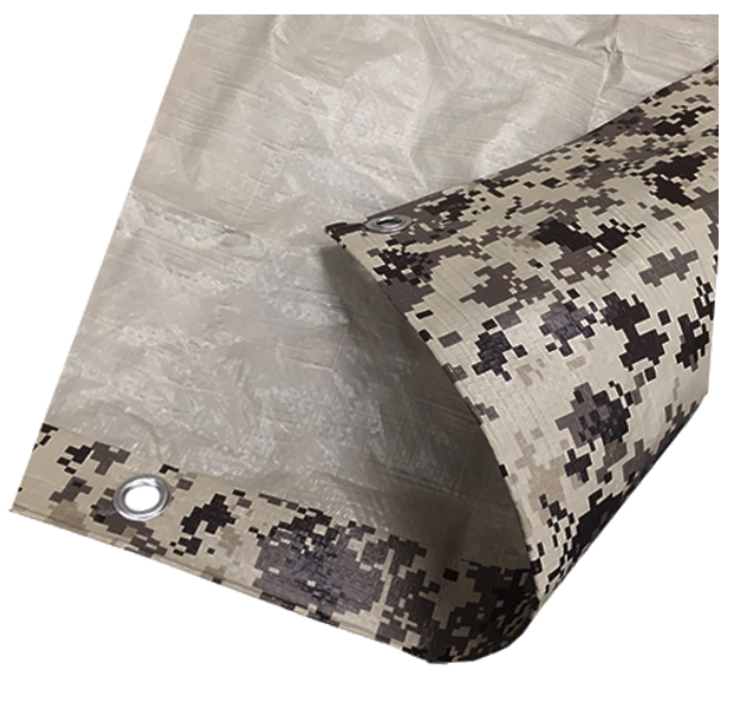
Heavy Duty Tarps (12 mil)
Heavy-duty tarps provide stronger tear resistance and greater longevity for more demanding applications. Their tighter weave, reinforced construction, and upgraded materials make them a reliable choice for construction projects, long-term storage, agricultural use, and year-round outdoor coverage. They maintain strength under tension and offer better protection from sun exposure, abrasion, and frequent handling.
Shop for Heavy Duty Poly Tarps
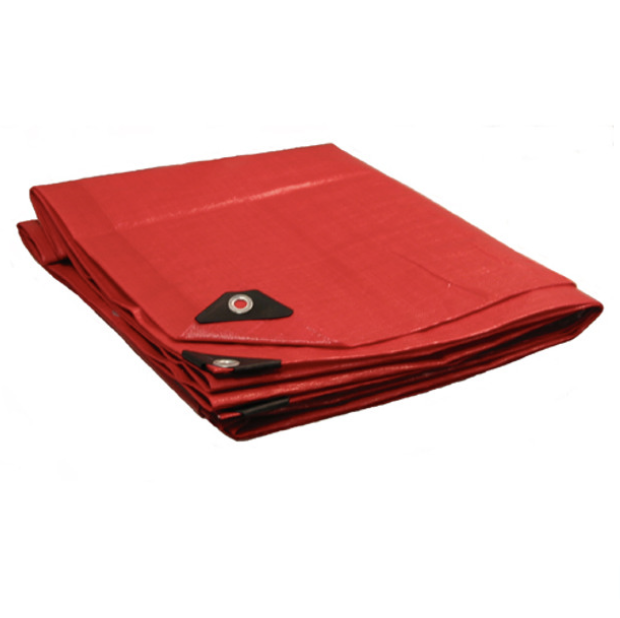
Super Heavy Duty Tarps (12 mil, Enhanced Construction)
Super heavy-duty tarps share the same thickness as heavy-duty options but stand apart through higher weave count, upgraded coatings, and reinforced hems and grommets. They are designed for projects that require extra stability and long-term performance, such as protecting equipment, covering vehicles, or securing valuable materials in harsh conditions. Their enhanced durability provides dependable strength for users who need a more rugged option than standard heavy-duty tarps.
Shop for Super Heavy Duty Poly Tarps
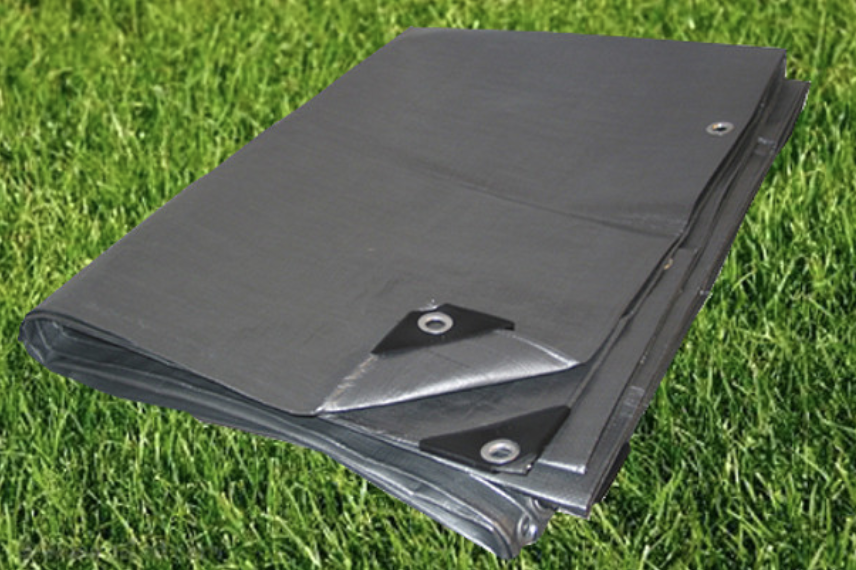
Matching Thickness to Application
General use tasks often work with light or medium-duty tarps. Construction, transport, or harsh weather conditions call for heavy or super heavy-duty options. As a quick rule, the more exposure or strain the tarp faces, the thicker it should be.
Tarp Material Types and Properties
Material choice matters just as much as thickness. Different fabrics offer unique strengths and performance benefits.
Polyethylene, Canvas, and Vinyl Tarps
Polyethylene tarps are lightweight, waterproof, and available in a wide range of thicknesses. Canvas tarps are breathable and suitable for applications where condensation is a concern. Vinyl tarps provide excellent durability, chemical resistance, and long-term outdoor performance. Each material supports different thickness ranges and practical uses.
Specialty Materials: Vinyl Laminated and Vinyl Mesh
Vinyl-laminated tarps provide flexibility and added strength for transportation and heavy outdoor use. Vinyl Mesh tarps are affordable, UV-resistant, and sturdy enough for agriculture and storage. Each material has ideal thickness ranges depending on its purpose and structure.
Material Properties: UV Protection, Chemical Resistance, Flame Retardancy
Material properties such as UV protection and chemical resistance improve overall performance. UV-treated tarps withstand prolonged sun exposure without breaking down. Chemical-resistant coatings protect against spills or industrial environments. Flame-retardant options meet safety requirements for construction, military, or regulated worksites. These finishes can also influence how thick the tarp needs to be for safe use.
Tarp Fire Retardant Standards and Certifications
Fire retardant standards ensure tarps meet strict safety requirements in environments where fire risk is present.
Common Fire Retardant Certifications
A1 Tarps’ fire-retardant tarps are certified compliant under California State Fire Marshal (CSFM) Title 19, a standard known for its rigorous fire performance requirements. CSFM Title 19 testing evaluates how materials respond to flame exposure and heat, making it a trusted certification for use in public spaces, construction environments, and other settings where fire safety is a priority. Compared to broader national standards like NFPA 701, CSFM Title 19 applies stricter criteria, offering added confidence in fire-resistant performance.
Why Fire Retardant Ratings Matter
Fire retardant ratings are essential for meeting safety and compliance requirements, especially in regulated environments. In California, fire-retardant tarps are required for specific uses, such as tents, canopies for public settings, and structures used at events or in public settings. These ratings help limit flame spread and improve overall safety. While thickness alone does not determine fire performance, heavier tarps often incorporate reinforced fabrics and fire-resistant treatments to meet stricter certification standards.
Tarps by Size and Intended Application
Choosing the right thickness also depends on the tarp size and the type of work you are doing.
Size Classifications: Small, Medium, Large, Extra Large
Small tarps work well for household use when a light or medium thickness is sufficient. Large or extra-large tarps require higher thickness levels because they experience greater tension and wind loads. Bigger tarps often require reinforced edges and higher mil ratings to stay secure.
Sports Tarps (Baseball, Softball)
Sports tarps protect fields from rain and debris. These tarps are usually large and heavy, so a thicker mil rating is needed. Vinyl or poly materials in medium to heavy-duty thicknesses are often used for athletic fields. These tarps are constructed from 12 mil heavy-duty polyethylene fabric, providing the durability needed for field protection while remaining manageable for setup and removal.
Other Specialized Applications
Roof coverings, vehicle storage, and crop protection each require specific combinations of material and thickness. Outdoor exposure often calls for medium to heavy-duty tarps with UV protection. Emergency repairs may rely on lighter tarps as quick, temporary shields.
Reinforcement, Edging, and Accessories for Tarp Durability
Reinforcement features help tarps last longer and provide reliable performance for demanding tasks.
Reinforced Hems and Rope Reinforcement
Reinforced hems protect tarp edges from tearing. Many tarps include rope sewn inside the hem to increase strength. This helps the tarp hold up under tension and keeps edges from fraying or ripping.
Grommets: Types, Spacing, and Durability
Grommets are anchor points for securing tarps. A1 Tarps uses aluminum grommets on all standard tarps, except mesh tarps, which feature brass grommets for added durability. All tarps are spaced approximately 18 inches apart, providing consistent holding strength, while blue poly tarps use wider 36-inch spacing suited for lighter-duty applications. High-quality grommets help thicker tarps stay secure under heavy stress. Rust resistance provides greater durability in outdoor environments.
Tarp Accessories
The right accessories can make any tarp more secure, longer lasting, and easier to use. A1 Tarps offers a full range of tools and hardware designed to support proper setup and maintenance.
Tarp repair kits help mend small tears before they grow, while clamps and tie-downs provide a strong grip and stability during windy or high-tension conditions.
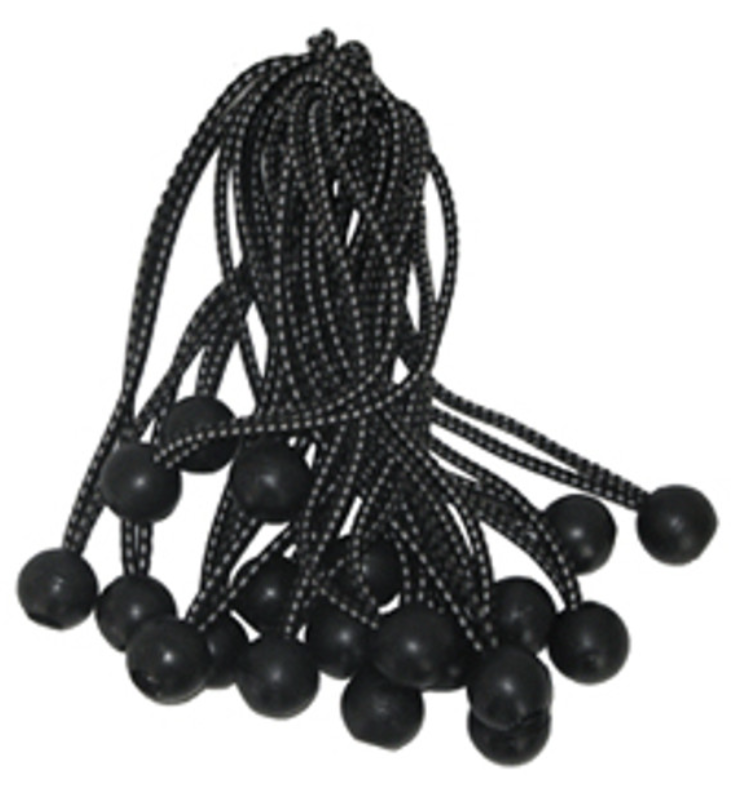
Ball bungee ties, bar braces, and canopy fittings are essential for building or reinforcing canopy frames, and tent stakes or eye bolts offer dependable anchoring on a variety of surfaces.
Safety Fence
Safety fence provides a practical way to create clear boundaries and improve visibility in outdoor environments. A1 Tarps offers mesh safety fencing made from lightweight yet durable materials that hold up well in changing weather conditions.
Mesh safety fencing is commonly used to section off construction areas, mark restricted zones, protect gardens or landscaping, and guide foot traffic at events. Its open mesh design allows wind to pass through, reducing strain while still maintaining effective visual separation and control.
Available in high-visibility green and orange, safety fencing is easy to spot and helps clearly define boundaries in both residential and commercial settings. It installs quickly, removes easily, and rolls up for compact storage, making it a convenient solution for temporary setups or longer-term projects.
Tarp Color Variations and Environmental Considerations
Color influences both performance and comfort, depending on your application.
Heat Absorption and Light Transmission
Black and dark colors absorb heat. Silver and white reflect sunlight and help reduce temperatures underneath. Clear tarps allow light transmission for gardening or greenhouse applications. Matching color and thickness can improve performance for construction, cooling, or shading tasks.
Camouflage and Specialty Colors
Camo tarps blend into natural environments for hunting or recreation. Specialty colors can improve visibility or coordinate with specific site needs. Color plays a role in safety, temperature control, and environmental blending.
How to Choose the Right Tarp Thickness for Your Project
A step-by-step approach helps narrow your choices and match the right tarp to your task.
Questions to Ask Before You Purchase
Before choosing a tarp, think through how and where it will be used. Each question below includes examples that point you toward the right category or material.
What will the tarp cover?
Example: Light coverage, such as patio furniture or gardening tools, usually works well with medium-duty poly tarps. Larger items like vehicles or equipment often need heavy-duty poly or vinyl-laminated tarps for stronger protection.
How long will it stay in place?
Example: Short-term projects like weekend painting or landscaping can use economy or medium-duty poly tarps. Long-term coverage, such as seasonal storage or jobsite use, typically requires heavy-duty or super heavy-duty poly or PVC vinyl tarps because they resist wear over time.
What weather will it face?
Example: For sun exposure and everyday outdoor conditions, UV-treated poly tarps perform well. For high winds, rain, or snow, step up to heavy-duty poly or vinyl-laminated tarps. Hot, dusty, or high-airflow environments may call for mesh tarps, especially for shade or debris containment.
Does it need to meet fire safety requirements?
Example: If the tarp is going near heat sources, indoor workspaces, or public areas with strict compliance rules, choose a fire-retardant poly or fire-retardant PVC vinyl tarp.
What size do you need?
Example: Small covers for grills or storage bins can use pre-cut poly tarps. Larger needs such as covering structures, trucks, or scaffolding may require oversized heavy-duty poly or vinyl tarps because they stay strong over wide spans.
Do you need reinforced edges or heavy grommets?
Example: Applications that involve tension, wind, or frequent handling such as canopy setups, truck tarps, or construction barriers benefit from reinforced hems and rust-resistant grommets, which are common on heavy-duty poly and vinyl tarps.
Will the tarp handle chemicals, debris, or heavy tension?
Example: For exposure to debris, rough materials, or heavy use, choose heavy-duty or super heavy-duty poly or vinyl tarps. These options are designed to withstand abrasion, tension, and repeated handling, making them suitable for construction, transportation, or long-term outdoor coverage. For projects involving chemicals, select vinyl or PVC tarps that offer better resistance and durability.
Selecting the Best Tarp Thickness with Confidence
The right tarp thickness gives you strength, reliability, and long-lasting protection. Understanding mil ratings, materials, reinforcement options, and fire safety certifications helps you make an informed choice. By considering how and where the tarp will be used, you can match thickness and material to your exact needs with confidence and get dependable performance in any environment.
Explore our full selection of tarps today
Recent Posts
-
The Ultimate Tarp Thickness Guide: Choosing the Right Tarp for Every Application
Choosing the right tarp thickness gives you protection you can rely on for any job. Thickness plays …Jan 29th 2026 -
When Hiking or Camping with a Tarp, These Are the Tarps to Pack
Hiking or camping with a tarp is always a good idea. But which tarp (or tarps) should you bring with …May 16th 2023 -
Choosing the Right Residential and Commercial Tarps for Your Needs
Whether you need commercial tarps, industrial tarps or tarps for use around your home, there are as …May 16th 2023