
Canopy Tent Buying Guide: How to Choose the Best Canopy for Your Needs
Compare canopy tent types, materials, sizing, setup considerations, and accessories before choosing the right outdoor shelter for your space.
Canopy tents are versatile outdoor shelters designed to provide shade and protection from the elements. Whether used for backyard gatherings, vendor booths, outdoor markets, or jobsite coverage, these portable structures are popular with both individuals and businesses. A canopy tent typically consists of a sturdy frame and a durable fabric top that blocks sunlight and light rain while creating a comfortable outdoor space.
Because canopy tents are available in many styles, sizes, and materials, choosing the right one can feel overwhelming. Understanding the types of canopy tents, standard canopy sizes, and key features such as frame construction and fabric durability can help you make a more informed decision. From compact 10x10 tailgate tents to large storage shelters, different canopy dimensions are designed for different applications.
This canopy tent buying guide covers everything you need to know before purchasing one. In the sections below, we’ll cover the most common canopy tent types, key buying considerations, canopy measurements and sizing tips, and useful accessories to help you select the best canopy for your needs. If you're exploring shelter options, browse A1 Tarps' full selection of canopy tents and outdoor shelters.
Types of Canopy Tents and Shade Solutions
There are several types of canopy tents available, each designed for specific use cases ranging from lightweight event coverage to heavy-duty outdoor protection. Understanding the differences between these canopy styles can help you choose the right structure based on your environment, setup needs, and level of durability required.
Traditional Canopies
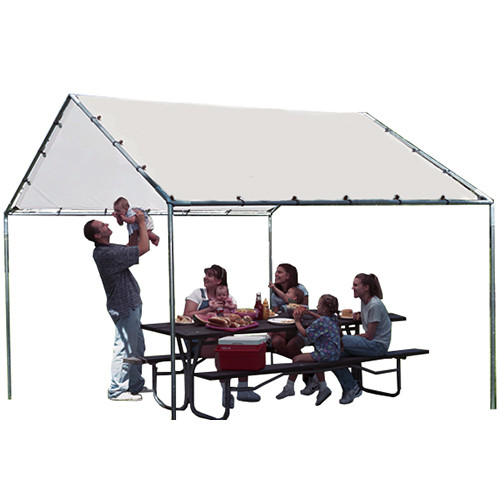
Traditional canopies are simple, open-frame structures designed for general-purpose outdoor shade. They are commonly used for backyard gatherings, small events, and recreational coverage where full enclosure or heavy-duty reinforcement is not needed.
Valance Canopies
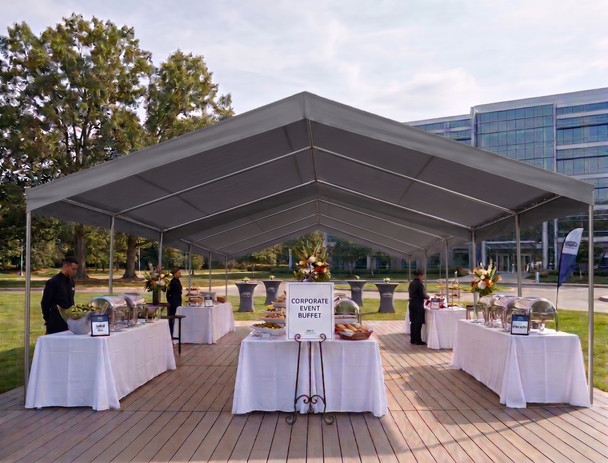
Valance canopies feature an extended fabric edge along the perimeter, creating a more finished and professional appearance. They are often used for vendor booths, markets, and promotional setups where presentation is important.
Reinforced Heavy-Duty Canopies
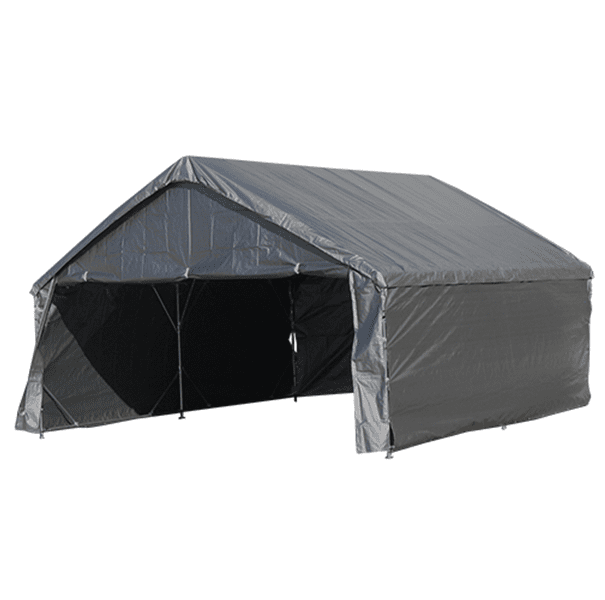
Reinforced heavy-duty canopies are designed with enhanced structural support and reinforced components to provide superior durability, stability, and long-lasting outdoor performance. They are well-suited for job sites, commercial use, and environments with exposure to wind and changing weather conditions.Their heavy-duty construction also makes them well-suited for repeated setup and extended outdoor use.
Enclosed Canopies (Canopies with Sidewalls)
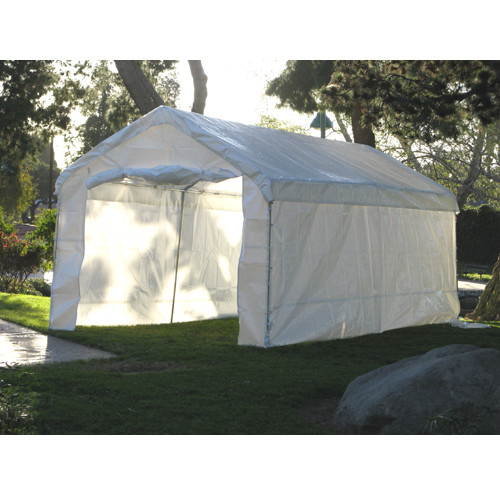
Enclosed canopies include a front cover, back cover, and two sidewall panels providing added protection from wind, rain, and sun. They are commonly used for vendor booths, catering setups, and outdoor storage where more coverage and control are needed.
Pop-Up Canopy Tents
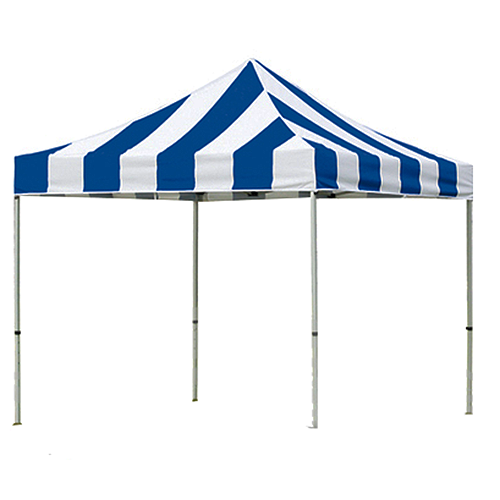
Pop-up canopy tents feature collapsible frames for fast setup and easy transport, making them ideal for vendor booths, markets, tailgating, and short-term events. Standard sizes like 10x10 provide compact, practical coverage for mobile use.
Party Tents
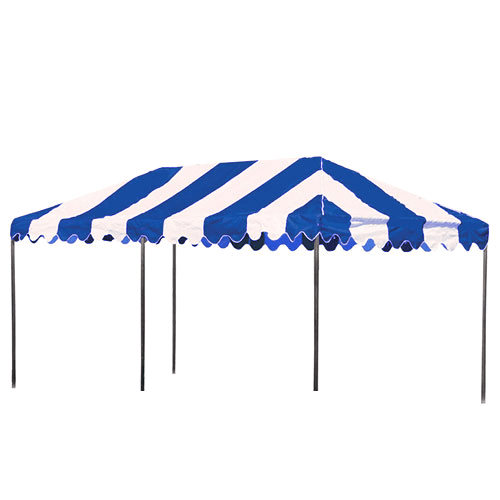
Party Tents are spacious event tents designed for weddings, festivals, and large outdoor gatherings. They provide extensive coverage for seating and dining areas, creating a comfortable, weather-protected environment for guests. All feature fire-retardant covers for added safety, though they typically take more time and effort to set up than smaller canopy options.
Mesh Shade Canopies
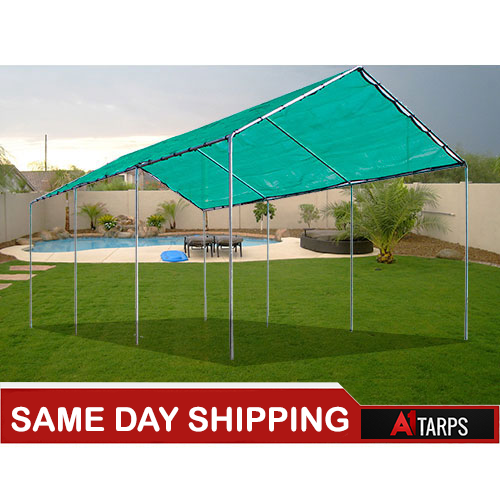
Mesh Shade Canopies are outdoor shade canopies featuring breathable fabric covers that promote airflow and reduce sun exposure. These sun shade canopies help keep spaces cooler and are perfect for patios, pools, gardens, and outdoor seating areas. Their ventilated design makes them especially well-suited for windy areas where airflow and stability matter.
Equipment Storage Shelters
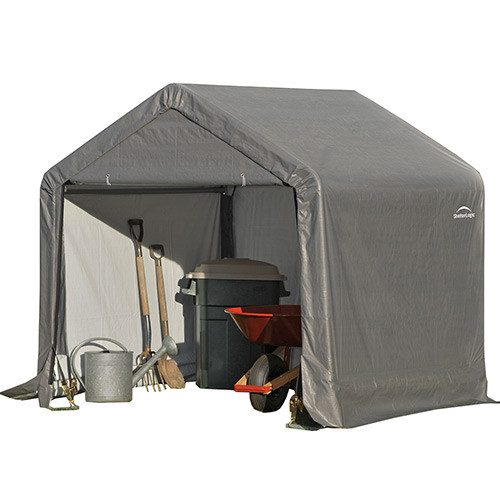
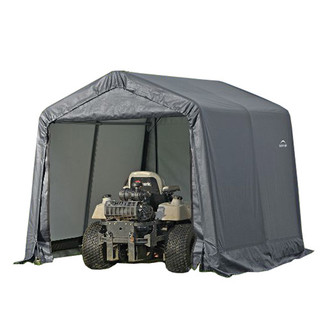
Equipment Storage shelters are heavy-duty structures designed for long-term outdoor use. They provide reliable protection for vehicles, tools, and equipment against weather exposure.
Fire Retardant Canopies
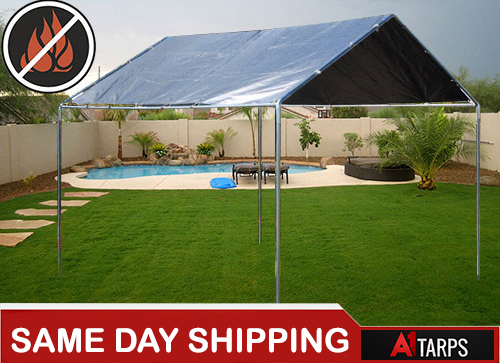
Fire-retardant canopies are designed for applications requiring flame resistance. Rather than being standalone canopy types, these tarps are often used as covers on existing canopy frames in commercial, industrial, or event settings.
A1 Tarps offers fire-resistant and fire-retardant tarp options that are durable and typically water-resistant. Certified fire-retardant tarps are used in environments where compliance with local fire codes or standards (such as NFPA 701 or California State Fire Marshal requirements) is required, including vendor setups, job sites, and large gatherings.
Auto Shelters (Vehicle Canopy Coverage)
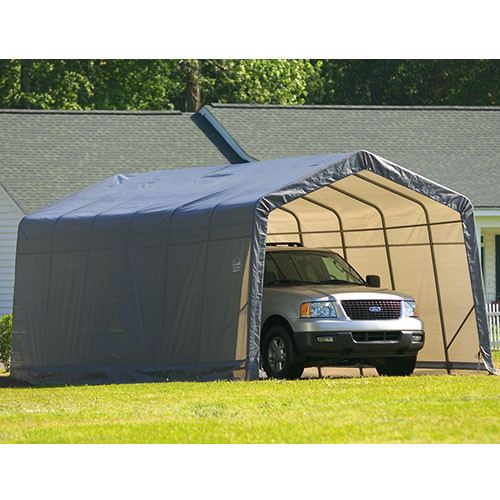
Auto shelters are canopy-based structures designed to protect cars, trucks, and other vehicles from the elements, such as sun, rain, and debris. The shelter setups typically use galvanized steel frame systems paired with tarp covers to provide water-resistant overhead coverage without the need for permanent construction.
They are commonly used in residential driveways, job sites, and outdoor storage areas where a full garage is not available. These canopy systems offer a practical, temporary solution for vehicle protection, with the flexibility for setup, relocation, and seasonal use.
Portable Garages

Portable garages are heavy-duty canopy structures that provide a non-permanent solution for protecting items from sun, rain, and debris. At A1 Tarps, these systems are built using galvanized steel frame components paired with tarp covers to create water-resistant overhead coverage without the need for permanent construction.
They are commonly used in residential driveways, job sites, and outdoor storage areas where a garage is not available. These canopy systems offer a practical and flexible option for both short- and seasonal use, with straightforward setup and the ability to relocate as needed.
Pet Canopies
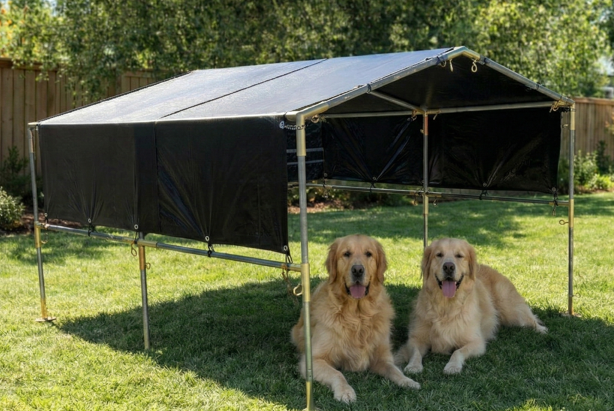
Pet canopies are compact shade structures designed to provide comfort and protection for animals in outdoor environments. Ideal for kennels, pet enclosures, backyards, and outdoor facilities, these canopies help reduce direct sun exposure and create shaded areas for pets and animals outdoors.
A1 Tarps offers canopy tents, tarp covers, and canopy fittings that can be used to create customized shade solutions for a variety of applications. The durable canopy systems are designed for general-purpose outdoor use and can be adapted for pet kennels, dog runs, livestock areas, and other outdoor enclosures. With multiple sizes, materials, and frame options available, you can build a dependable shade structure tailored to your outdoor setup.
Key Factors to Consider When Buying a Canopy Tent
Choosing the right canopy tent involves evaluating factors like size, materials, durability, and ease of setup to ensure it performs well for your intended use. Buyers should evaluate several practical factors, including size, materials, stability, and ease of setup. Considering these details ensures your canopy performs well under the conditions in which it will be used. Whether you're selecting a portable pop-up canopy tent for events or a larger canopy storage shelter for equipment protection, understanding these key factors can help you make the right purchase.
Frame Materials and Structural Design
Frame material is a key factor in a canopy’s durability, portability, and weather resistance. Steel canopy frames are valued for their strength and stability, making them an excellent choice for heavy-duty use and windy outdoor environments. Their sturdy construction provides dependable support for long-term outdoor use across commercial, industrial, and residential applications.
Canopy Fabrics: Polyethylene, Vinyl (PVC), Polypropylene, and Canvas
The canopy fabric plays an important role in protecting users from the sun and rain. Three of the most common materials used for canopy tops are PVC/vinyl and polyethylene.
PVC/vinyl is known for its excellent water resistance performance and durability. It is commonly used in heavy-duty canopy tents and storage shelters that require reliable rain protection.
Polyethylene covers are typically water-resistant, UV-treated, and mildew-resistant, designed for outdoor weather protection. Commonly used for outdoor protection and are available in multiple grades, with heavier-duty options better suited for extended outdoor use.
Polypropylene fabrics, on the other hand, are lighter and more breathable, making them a good option for shade applications in warm climates or outdoor events where airflow is important.
Canvas tarps are breathable, making them a good option for long-term use where airflow is important. While not as waterproof as vinyl, canvas performs well in moderate weather and is often used in heavy-duty outdoor applications.
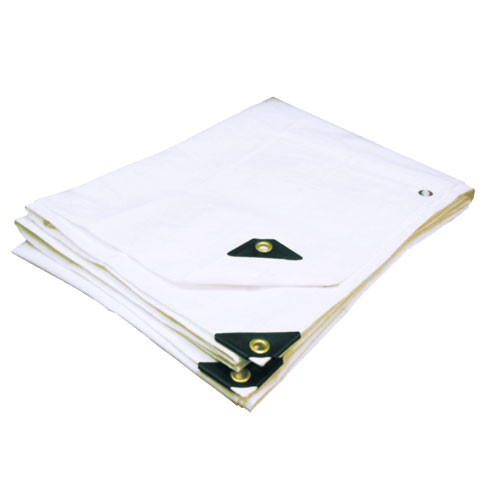
Many canopy covers are constructed from heavy-duty tarp materials, which enhance durability and weather resistance in outdoor environments. A1 Tarps offers a wide range of poly and heavy-duty tarps commonly used for weather protection and canopy applications.
Stability and Anchoring Solutions
Proper anchoring is essential for keeping a canopy tent stable, especially in windy conditions. Several anchoring options are available, depending on the surface on which the canopy is installed.
Anchoring systems help secure canopy tents used for markets, festivals, and outdoor workspaces. Common options include tent stakes for anchoring into grass or soil, as well as foot pads and cement weight fittings for added stability on hard surfaces. For structural components used in canopy construction, explore canopy fittings and frame hardware available through A1 Tarps.
Fitting Size Chart
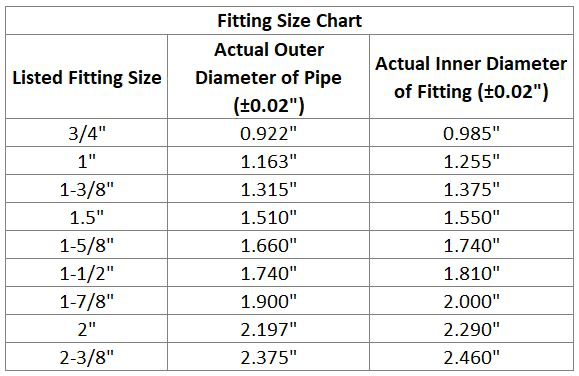
Use this canopy fitting size chart to match your frame tubing with compatible canopy connectors and replacement fittings. The chart shows the actual outer diameter of common canopy pipes alongside the corresponding inner diameter of fittings, helping ensure accurate compatibility.
Ease of Setup and Adjustability
Different canopy designs vary in setup complexity. Pop-up canopy tents can be assembled quickly, while larger structures may require more time and multiple people.
Canopy Tent Sizing Guide: How to Choose the Right Size
Understanding canopy tent sizes is essential to any canopy tent buying guide. Choosing the right size ensures that your canopy provides enough coverage while remaining practical to transport and set up.
Different outdoor tent sizes are designed for different purposes, from small vendor booths to large event shelters.
Assessing Guest Count and Seating Style
The number of people attending an event plays a major role in determining canopy size. Standing events require less space per person, whereas banquet-style seating arrangements require more space for tables and chairs.
A canopy tent size chart can help estimate capacity. For example:
- 10x10 canopySmall vendor booth or tailgating setup
- 10x15 canopyMedium display area or small gathering
- 10x20 canopySeating areas or larger events
Layout planning is especially important for events with structured seating, food service areas, or vendor displays that require space for movement.
Factoring in Equipment and Furnishings
If your canopy will house tables, displays, or equipment, you will need to account for the extra space these items require. Vendor booths may need room for product displays, signage, and checkout stations, while party tents may need space for seating, catering tables, or entertainment areas.
Measuring your layout in advance helps ensure the canopy dimensions provide adequate coverage.
Considering Event Duration and Weather
Long events or unpredictable weather conditions may require additional coverage for comfort and safety. Larger canopy structures can provide space for lounge areas, storage, or covered entryways during rain.
Some outdoor setups also incorporate heavy-duty tarps to reinforce canopy shelters in harsh weather.
Surface Type and Anchoring Method
The installation surface, like grass, pavement, or decking, affects which anchoring system to use for stability.
Ground stakes are effective for soil installations, while weighted bases or sandbags are better suited for hard surfaces. Choosing the correct anchoring method helps ensure the canopy remains secure throughout the event.
Transport, Manpower, and Logistics
Large canopy tents may require multiple people for setup and additional transport space. Planning these logistics in advance ensures a smooth installation and breakdown.
Event organizers should also consider local regulations, permits, and available storage space when choosing a canopy structure.
Finding Your Perfect Canopy Tent
Choosing the right canopy tent starts with understanding your specific needs. Factors like canopy tent size, frame durability, weather protection, and accessories all play a role in selecting the best structure for your space.
This canopy tent buying guide helps you compare canopy tent types, understand canopy dimensions, and evaluate key features before making a purchase. Whether you need a compact 10x10 pop-up canopy for tailgating or a larger shelter for equipment protection, selecting the right canopy ensures reliable shade and performance.
Explore the full range of canopy tents, shelters, and tarp products at A1 Tarps to find the right solution for your outdoor coverage needs.
Frequently Asked Questions about Canopy Tents
What size canopy tent do I need?
The right canopy size depends on how you plan to use it. A 10' x 10' canopy is a common choice for vendor booths, small gatherings, or compact setups. A 10' x 20' canopy provides additional space for tables, product displays, or higher foot traffic. Larger canopy tents are available for events, seating areas, and equipment coverage, with party tents and storage shelters offering significantly more coverage than standard pop-up sizes.
What types of canopy tents does A1 Tarps offer?
A1 Tarps offers several types of canopy solutions designed for different uses. Pop-up canopy tents are portable and designed for quick setup, making them ideal for vendor booths and short-term events. Party tents provide larger coverage areas for gatherings, seating, and event use. Shade canopies use mesh tarp covers to allow airflow while reducing sun exposure. Equipment storage shelters are built to protect vehicles, tools, and materials for longer periods.
Are canopy tents waterproof?
Most canopy tents are designed to be water-resistant rather than fully waterproof. The level of protection depends on the material used, such as polyethylene or PVC. Mesh covers are designed for shade and airflow and do not provide rain protection. Proper setup and tension can help reduce water pooling and improve performance in wet conditions.
Can I replace just the canopy cover instead of the whole frame?
Yes, A1 Tarps offers canopy replacement covers that allow you to replace worn or damaged tops without replacing the entire frame. These covers are fit-specific and are designed to match particular frame sizes and styles, so it is important to confirm compatibility before purchasing.
What’s the difference between shade canopies and standard canopy tents?
Shade canopies use mesh tarp covers that allow air to pass through while reducing sun exposure, helping keep the area beneath them cooler. Standard canopy tents use solid covers such as polyethylene or vinyl, which provide more protection from the sun and light rain but allow less airflow.
Can canopy tents be used for long-term outdoor storage?
For long-term use, equipment storage shelters and Reinforced Heavy Duty Canopy Tents are the better option. These structures are designed with stronger frames and durable covers to protect vehicles, tools, and equipment over extended periods. Pop-up canopy tents are better suited for temporary or short-term use.